Why Microsoft Just Deployed 6,000 Engineers for AI: What It Means for the Future of Work
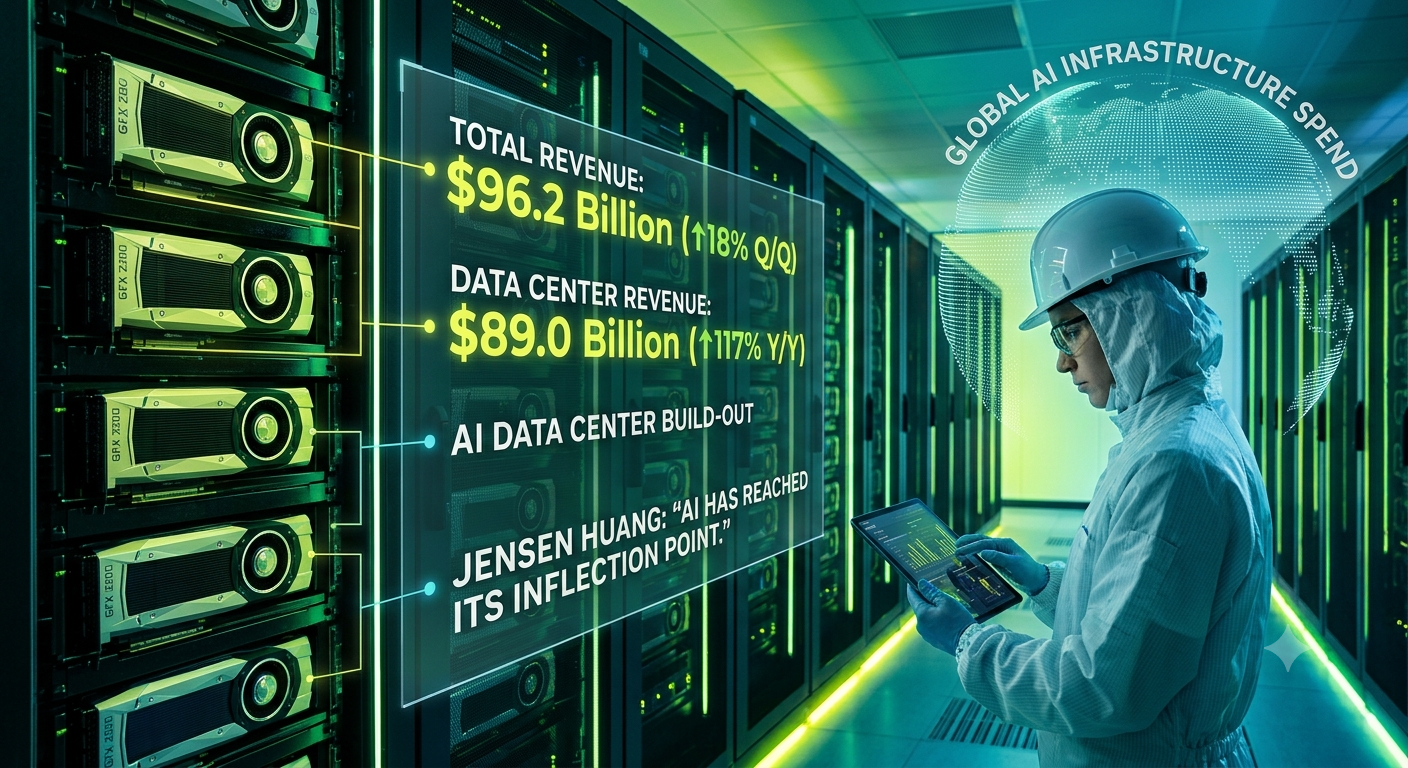
When Microsoft announced its Frontier Company initiative, backed by a $2.5 billion investment and a force of 6,000 forward-deployed AI specialists sent directly into client sites, it sent a clear signal across the tech landscape.
If AI models are supposed to handle execution autonomously, why is the world's biggest software giant sending thousands of human engineers onto the frontlines to make it work?
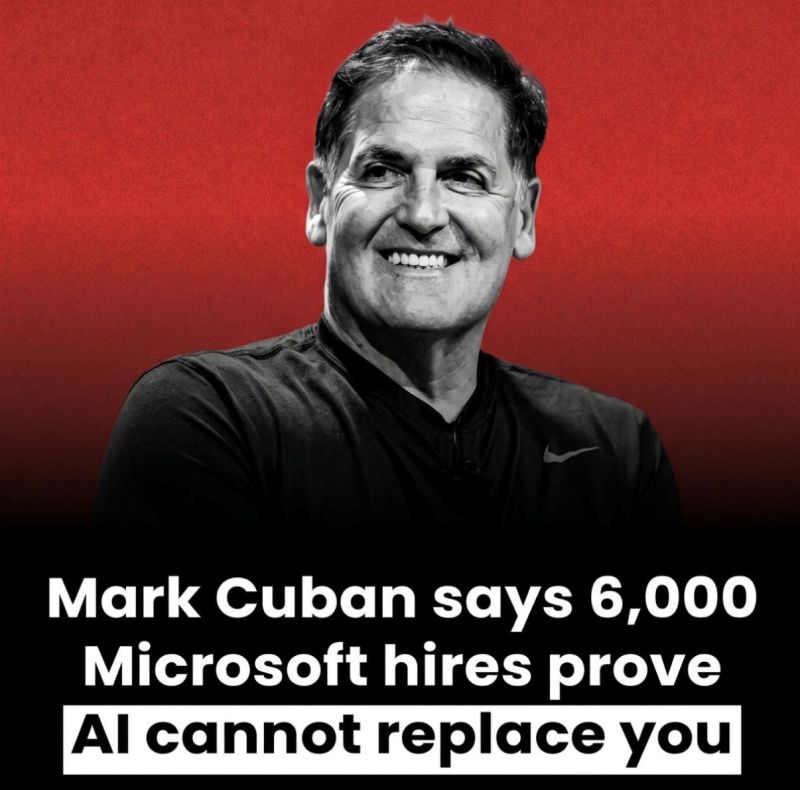
Billionaire entrepreneur Mark Cuban recently tackled this exact paradox, offering a sharp reality check on where artificial intelligence actually stands today and where the real value is heading.
The Reality Gap: Raw Models vs Enterprise Integration
The prevailing narrative has been that frontier AI models would quickly plug into existing workflows and automate complex tasks overnight. But as Cuban pointed out, the operational reality on the ground looks very different.
- Off-the-shelf limits: Large language models excel at generation and synthesis, but they struggle with company-specific context, dynamic task execution, and edge-case reliability out of the box.
- The "last mile" problem: Connecting an LLM to legacy enterprise databases, custom APIs, and regulatory compliance frameworks requires heavy technical scaffolding.
- Human-in-the-loop necessity: Models suffer from latency and lack real-time operational judgment. High-stakes environments still demand human engineering to design guardrails and validate outputs.
Microsoft deploying 6,000 specialists isn't a sign that AI is failing; it's proof that AI capability does not equal AI implementation.
The Massive Opportunity for Implementers
While headline-grabbers worry about AI replacing developers and white-collar workers, Cuban highlighted a massive shift in market demand: the rise of the AI implementer.
While enterprise giants can afford to bring in specialized engineering task forces, millions of small and medium-sized businesses (SMBs) lack the internal IT bandwidth or multi-million dollar budgets to build custom AI pipelines.
This creates a prime opportunity for agile developers, technical consultants, and young tech talent: - Workflow Translation: Bridging the gap between what a client thinks AI can do and how an actual agentic workflow needs to be built.
- Custom Scaffolding: Building robust data pipelines, integration hooks, and custom front-ends around foundational models.
- Operational Optimization: Ensuring AI deployments actually deliver measurable ROI rather than just novelty.
The Takeaway
The future of AI value isn't just in who trains the largest foundation model; it's in who can integrate it effectively into day-to-day operations. Microsoft's massive engineering footprint proves that human expertise, contextual domain knowledge, and hands-on execution remain the most critical assets in the AI era.
References & Further Reading - Mark Cuban Commentary: Discussions on AI implementation challenges, enterprise integration, and the demand for AI deployment talent (Recent commentary and interviews).
- Microsoft Frontier Company Initiative: Details on Microsoft's $2.5 billion enterprise investment and forward-deployed AI specialist workforce.
TECHMOOSE AI
Ready to put AI to work in your business?
TechMoose AI builds voice agents and chatbots that answer calls, take bookings and handle support, live in minutes, not months.
Try TechMoose AI